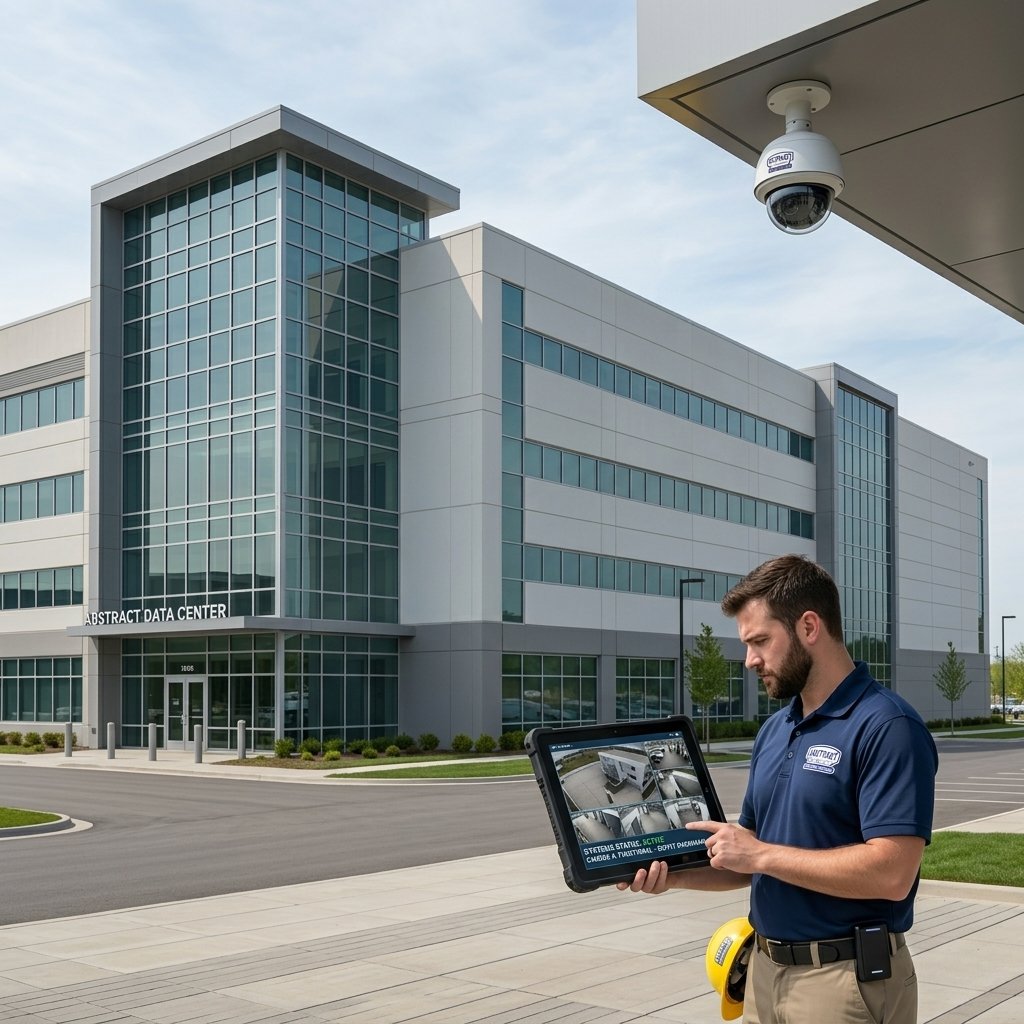
Key Fob · Card Reader · Keypad · Biometric · Elevator Control · Cloud · Co-ops & Condos
Abstract Enterprises Security Systems installs and upgrades access control systems across all of Manhattan — from encrypted key fob entry at a Park Avenue co-op to cloud-managed card reader systems at a Midtown commercial office tower, from elevator floor restriction at a Financial District condominium to biometric access at a Chelsea medical facility. NYS Licensed (#12000287431), fully insured, no long-term contracts.
We’ll call you back within the hour
We’ll call you back within the hour.
Manhattan’s building stock is unlike anywhere else in the country — pre-war co-ops that have used the same skeleton key system since the 1940s sit next to glass-curtain-wall condominium towers with smartphone-based mobile credentials. Commercial office floors along Park Avenue and in Hudson Yards demand multi-tenant access segmentation, while SoHo loft conversions and West Village brownstones need discreet hardware that respects historic character. Abstract Enterprises Security Systems is a New York State licensed low-voltage contractor providing professional access control installation for every Manhattan building type — from a single-door keypad at a Chinatown medical office to a 40-door cloud-managed system across a Midtown East commercial campus. We install, program, repair, and upgrade key fob access control Manhattan buildings depend on, plus card readers, keypads, biometric scanners, elevator floor restriction controllers, parking garage vehicle readers, and cloud-based credential management platforms. Our two offices at 460 E Fordham Rd in the Bronx and 1282 Troy Ave in Brooklyn dispatch licensed technicians to every Manhattan neighborhood — Upper East Side, Upper West Side, Midtown, Chelsea, Greenwich Village, Tribeca, Financial District, Harlem, Washington Heights, and everywhere between 1st Street and 220th Street.
Manhattan is the most densely populated county in the United States — over 1.6 million residents packed into 22.8 square miles, with millions more commuting in daily for work, dining, shopping, and tourism. That density creates unique security challenges that no other American market faces. Pre-war co-op buildings along Central Park West and the Upper East Side were designed with doormen as the primary access control method, but staffing costs now exceed $250,000 per year per doorman position. Non-doorman walk-ups in the East Village, Lower East Side, and Washington Heights rely on legacy buzzer and intercom systems that provide zero credential control — anyone who presses a button can be buzzed in without visual verification. Commercial office buildings in Midtown, the Financial District, and Hudson Yards manage thousands of daily entries across multiple tenants, requiring per-floor access segmentation, visitor credentialing, and real-time audit logs for insurance and compliance. Medical offices along the Upper East Side’s Medical Mile must comply with HIPAA physical access requirements. Retail and restaurant properties in SoHo, Chelsea Market, and the Meatpacking District need after-hours access control for staff without exposing the main entrance. Manhattan’s landmark-designated buildings — covering large portions of Greenwich Village, SoHo, Tribeca, the Upper West Side, and Harlem — require access control hardware that does not alter protected architectural features. A professionally installed access control system replaces keys that can be copied, buzzer codes that can be shared, and doormen who cannot be present 24/7 with encrypted credentials that are issued, tracked, scheduled, and revoked from any web browser or smartphone.

Manhattan’s building density, vertical construction, landmark preservation requirements, and the 345 Park Avenue shooting in 2025 have fundamentally changed how building owners think about entry security. These are the local problems we solve daily — and the specific access control solutions that fix them.
Problem: Canal Street kiosks and Chinatown electronics shops duplicate 125kHz key fobs for $5 to $20 — no questions asked. Amazon sells cloning devices for $30. Buildings in SoHo, the Lower East Side, Chinatown, and Two Bridges are ground zero, but cloned fobs have been traced to unauthorized entries in co-ops as far uptown as the Upper West Side and Morningside Heights.
Solution: We migrate your building to 13.56MHz encrypted DESFire EV3 or HID iCLASS Seos credentials. These use AES-128 rolling encryption that consumer devices cannot read or duplicate. We install multi-technology readers during the transition so old and new fobs work simultaneously — zero tenant disruption. Most Manhattan co-op upgrades complete in one weekend.
Problem: After the 2025 shooting at 345 Park Avenue — where a gunman bypassed a keycard turnstile and took an elevator to the 33rd floor — Manhattan landlords discovered that optical turnstiles in Midtown and Financial District lobbies are essentially decorative. Unauthorized individuals tailgate through behind credentialed employees daily. The NYPD and building security firms confirmed tailgating has surged across Manhattan commercial buildings since the return to office.
Solution: Full-height anti-tailgating security turnstiles or mantrap vestibules with anti-passback logic that count entries vs. credential scans. Elevator floor restriction ensures that even if someone bypasses the lobby, they cannot reach any floor without a valid credential assigned to that specific floor. We integrate turnstile access with camera systems to capture a timestamped image of every entry — both successful and denied.
Problem: Greenwich Village, SoHo Cast-Iron Historic District, Tribeca, the Upper West Side/Central Park West, Hamilton Heights, and portions of Harlem fall within Landmarks Preservation Commission districts. Any visible exterior hardware — surface-mount card readers, exposed conduit, or drilled anchor points on protected facades — triggers LPC violations. Standard access control installations are rejected at permit review.
Solution: SALTO wireless electronic lock cylinders retrofit directly into original mortise locksets without altering the door or frame. Concealed magnetic locks mount on the interior frame face. All wiring routes through existing interior conduit or behind walls. Architectural-finish reader housings match the building’s original hardware aesthetic. We have completed dozens of LPC-compliant installations without a single violation.
Problem: Thousands of Manhattan walk-ups between 6 and 20 units have no doorman, no camera, and a single lobby door secured by a traditional cylinder lock. Any tenant can duplicate the key at a hardware store for $3. Departed tenants retain copies indefinitely. Delivery workers, dog walkers, and sublettors accumulate unauthorized keys over years. The buzzer system lets anyone ring any unit and get buzzed in without visual verification.
Solution: A single encrypted key fob reader on the lobby door — $1,500 to $2,500 installed — replaces the cylinder lock entirely. Every tenant receives a programmed fob. When someone moves out, their fob is deactivated remotely in seconds. No locksmith, no lock change, no wondering how many key copies exist. The system pays for itself within 2 to 3 tenant turnovers by eliminating locksmith fees.
Problem: The Medical Mile — stretching from NYU Langone at 33rd Street through Weill Cornell at 68th to Mount Sinai at 98th — houses thousands of private medical practices in adjacent office buildings. HIPAA Physical Safeguards (45 CFR §164.310) require facility access controls with audit logging on rooms containing protected health information. Many practices still use standard lock-and-key on records rooms, medication storage, and server closets. A compliance gap found during a HIPAA audit or after a breach triggers civil penalties up to $50,000 per violation.
Solution: Card reader or biometric reader on every room containing PHI — records storage, medication dispensary, server closet, billing office. Cloud-based audit logs document exactly who accessed each room and when. Compliance officers can pull access reports for any date range in seconds during an audit. Installation typically takes one day per practice without disrupting patient scheduling.
Problem: Manhattan’s non-doorman buildings lose thousands of packages annually. Delivery drivers prop lobby doors open during bulk Amazon and FedEx drops, leaving the building fully exposed for hours. Opportunistic thieves walk through propped doors and take packages from vestibules and mailrooms. NYPD reports package theft complaints concentrated in the East Village, Lower East Side, Harlem, Washington Heights, and Inwood — all neighborhoods dominated by non-doorman walk-ups and mid-rises.
Solution: Temporary delivery credentials with time-limited access windows. UPS, FedEx, and USPS carriers receive a credential valid only during their scheduled delivery window — the door locks behind them automatically. Residents get push notifications when a delivery entry occurs. The building maintains a logged record of every carrier entry and exit. No more propped doors, no more uncontrolled lobby access during deliveries.
Problem: Manhattan commercial high-rises along Park Avenue, Third Avenue, and in the Financial District house 10 to 40+ tenants per building. Without elevator floor restriction, any credentialed tenant — or anyone who tailgates past the lobby — can reach any floor. A law firm’s confidential files, a hedge fund’s trading floor, and a medical practice’s patient records are all accessible to anyone inside the elevator. Post-2025, commercial tenants are demanding floor segmentation as a lease condition.
Solution: Akuvox EC33 cab-side panels or EC10 controllers with relay outputs to your elevator company’s dry contacts. Each credential holder gets a floor permission profile — the receptionist accesses floors 12 through 14, the managing partner accesses 12 through 14 plus the rooftop, the cleaning crew accesses all floors only between 7 PM and 11 PM. Compatible with Otis, Schindler, KONE, and ThyssenKrupp controllers found throughout Manhattan.
Problem: Manhattan’s Con Edison grid serves more electrical load per square mile than any other in the country. The July 2019 blackout left 73,000 customers in Midtown and the Upper West Side without power for hours. Localized transformer failures, construction-related outages, and summer peak demand brownouts affect buildings in older neighborhoods regularly. Access control systems without battery backup either lock tenants out of their own building or — worse — leave doors fully unsecured during outages.
Solution: Every Manhattan installation includes battery backup sized to the building’s Con Edison outage history — typically 4 to 8 hours of standalone operation. Egress doors are configured fail-safe per FDNY requirements (lock releases when power is lost, ensuring free exit during emergencies). Secure-area doors like server rooms are configured fail-secure (remain locked during outage). We test backup systems during installation and document compliance with NYC Building Code Section 1008.1.4.4 for access-controlled entrance doors.

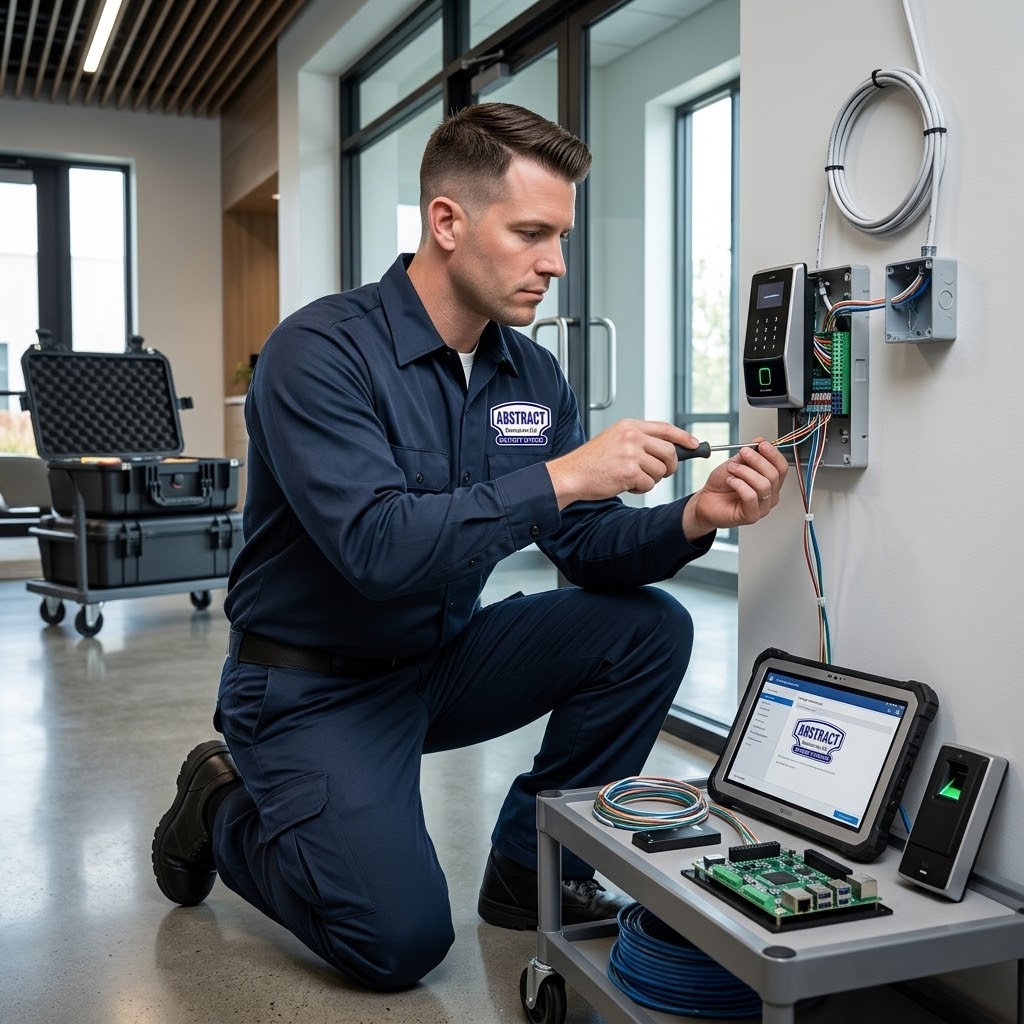
Encrypted key fob systems using 13.56MHz DESFire EV3 or HID iCLASS Seos technology for Manhattan co-ops, condos, and commercial buildings. Cannot be cloned with consumer RFID tools — a critical upgrade for buildings still using legacy 125kHz fobs that can be duplicated in seconds at any Canal Street kiosk. Instant credential revocation when a tenant moves out of a pre-war walk-up or a Midtown office lease expires. Time-scheduled access, floor-level restrictions for elevator-controlled high-rises, and full audit logs per credential.
Proximity and smart card reader installation for Manhattan offices, co-ops, condos, and commercial lobbies. HID multiCLASS readers accept both legacy and encrypted credentials during building-wide migration — essential for phased rollouts in large Upper East Side co-ops or multi-tenant Midtown office towers. Tamper-proof backboxes rated for high-traffic Manhattan lobby environments. Wiegand and OSDP protocol readers for enterprise integration.
PIN-based keypad entry system Manhattan offices, apartments, server closets, restaurant back-of-house areas, and medical record storage all rely on for simple, codeless security. Vandal-resistant stainless steel keypads rated for outdoor Manhattan conditions. Time-based PIN schedules let property managers give cleaning crews limited-hours codes for Tribeca lofts or Chelsea galleries without issuing physical credentials. Programmable with up to 1,000 individual PIN codes per door.
Smartphone-based access using Bluetooth or NFC — residents and employees unlock doors with their phone instead of carrying a physical fob. Brivo, Genea, and Openpath systems allow Manhattan property managers to issue, revoke, and schedule credentials from any web browser. Ideal for Hudson Yards commercial tenants, NoMad co-working spaces, and luxury condos along Billionaires’ Row where residents expect app-based building management.
Biometric access control Manhattan’s high-security facilities require — fingerprint, palm vein, and facial recognition readers for pharmaceutical company headquarters on Park Avenue, financial services back offices in the Financial District, medical research labs at NYU Langone and Mount Sinai campuses, and data centers in Lower Manhattan. Biometric credentials cannot be shared, lost, or cloned. Integration with time and attendance systems for HR reporting and HIPAA compliance documentation.
Restrict which floors a key fob, card, or mobile credential can access in Manhattan high-rises. Relay interface connects to existing elevator controller dry contacts — compatible with Otis, Schindler, KONE, and ThyssenKrupp installations found throughout Manhattan. Essential for multi-tenant office buildings where law firms on the 14th floor should not have access to the hedge fund on 22, and for luxury condos where penthouse residents get rooftop access that lower floors do not.
Vehicle and pedestrian access control for Manhattan parking garages and underground facilities. Long-range RFID readers for windshield transponders, license plate recognition cameras for contactless entry, barrier gate interfaces, and fleet management credential profiles. We serve garages from the Financial District to Washington Heights, including residential parking beneath co-ops and condos where monthly parker credentials need separate management from visitor passes.
Browser-managed access control with no on-site server required. Issue and revoke credentials remotely. View real-time entry logs from any device. Set time schedules, floor restrictions, and visitor codes from your phone. Brivo, Openpath, Avigilon Alta, and Genetec cloud systems installed by our licensed technicians. Ideal for Manhattan property management companies overseeing portfolios of 10, 20, or 50+ buildings across multiple neighborhoods — manage every door from one dashboard.
Migrating Manhattan buildings from legacy 125kHz to encrypted smart card or mobile credentials. Panel replacement, reader upgrade, and credential re-issuance handled as a single project. We audit your existing system, document every active credential, and execute a migration plan that minimizes tenant disruption. Most Manhattan co-op and condo upgrades complete in a single weekend — old fobs deactivated Friday evening, new encrypted credentials distributed Saturday morning, full system live by Sunday.
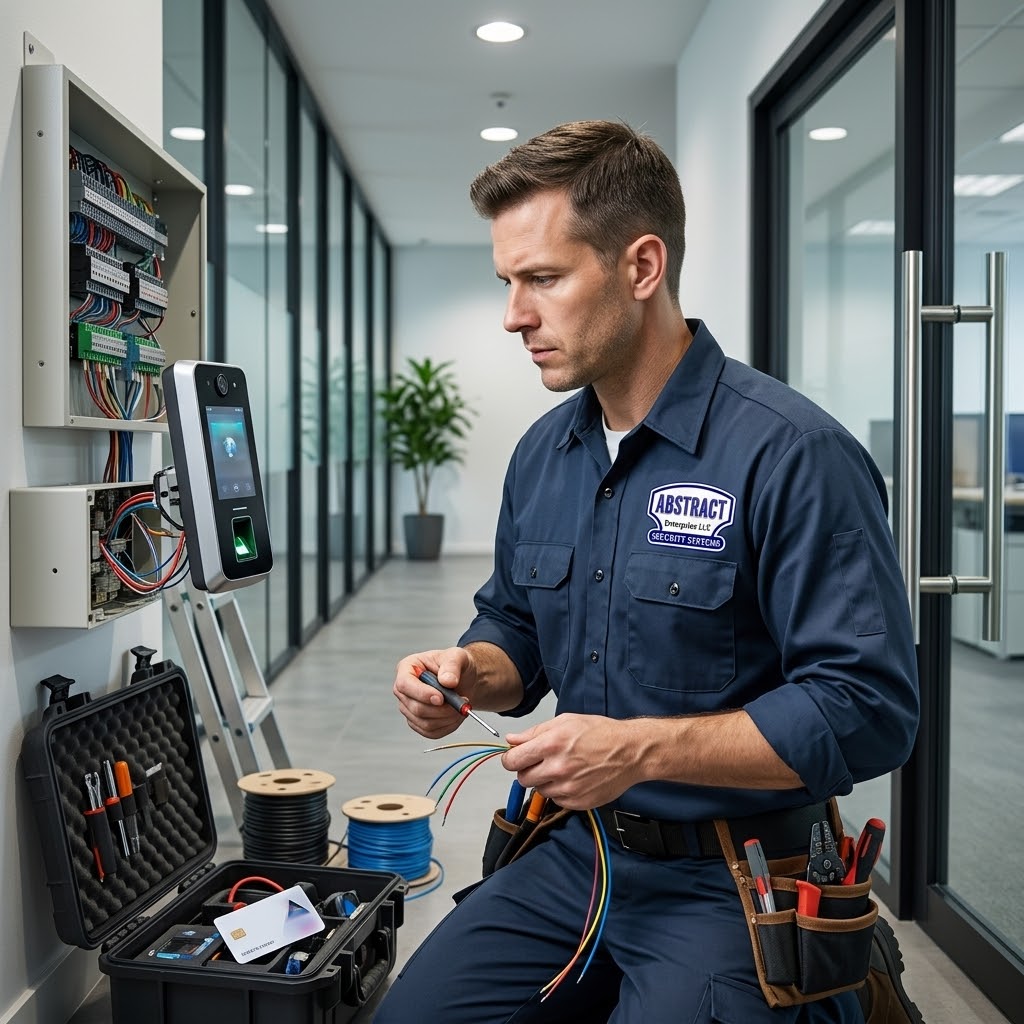
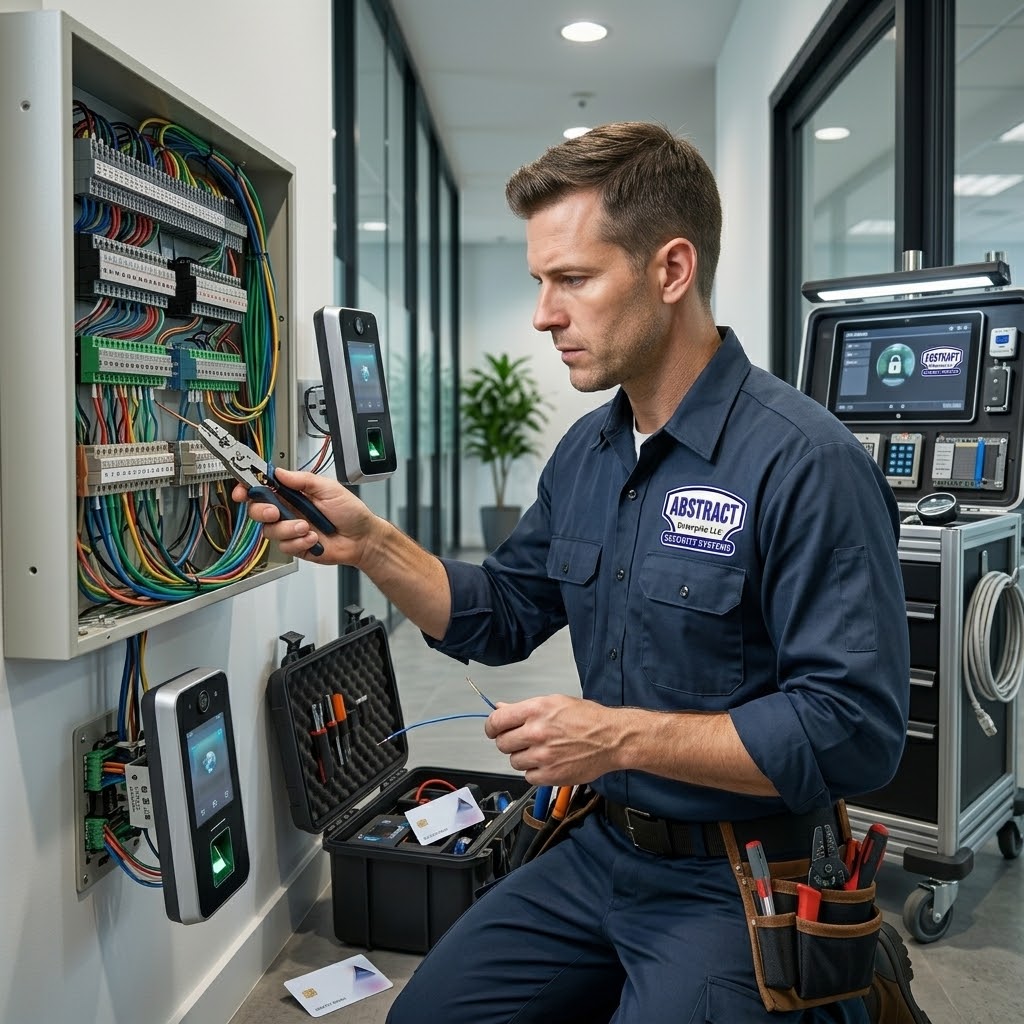
We install commercial-grade access control hardware and software from the industry’s leading manufacturers — not consumer-grade smart locks that fail under Manhattan’s daily volume. Every brand we carry is built for 24/7 operation in high-traffic commercial and residential environments.
iCLASS SE, multiCLASS SE, Signo readers. The gold standard for Manhattan commercial and residential access control.
Cloud-first access control. Browser-managed credentials, real-time logs, and remote door unlock from any device.
Touchless mobile access with Wave to Unlock technology. Popular in Manhattan luxury condos and co-working spaces.
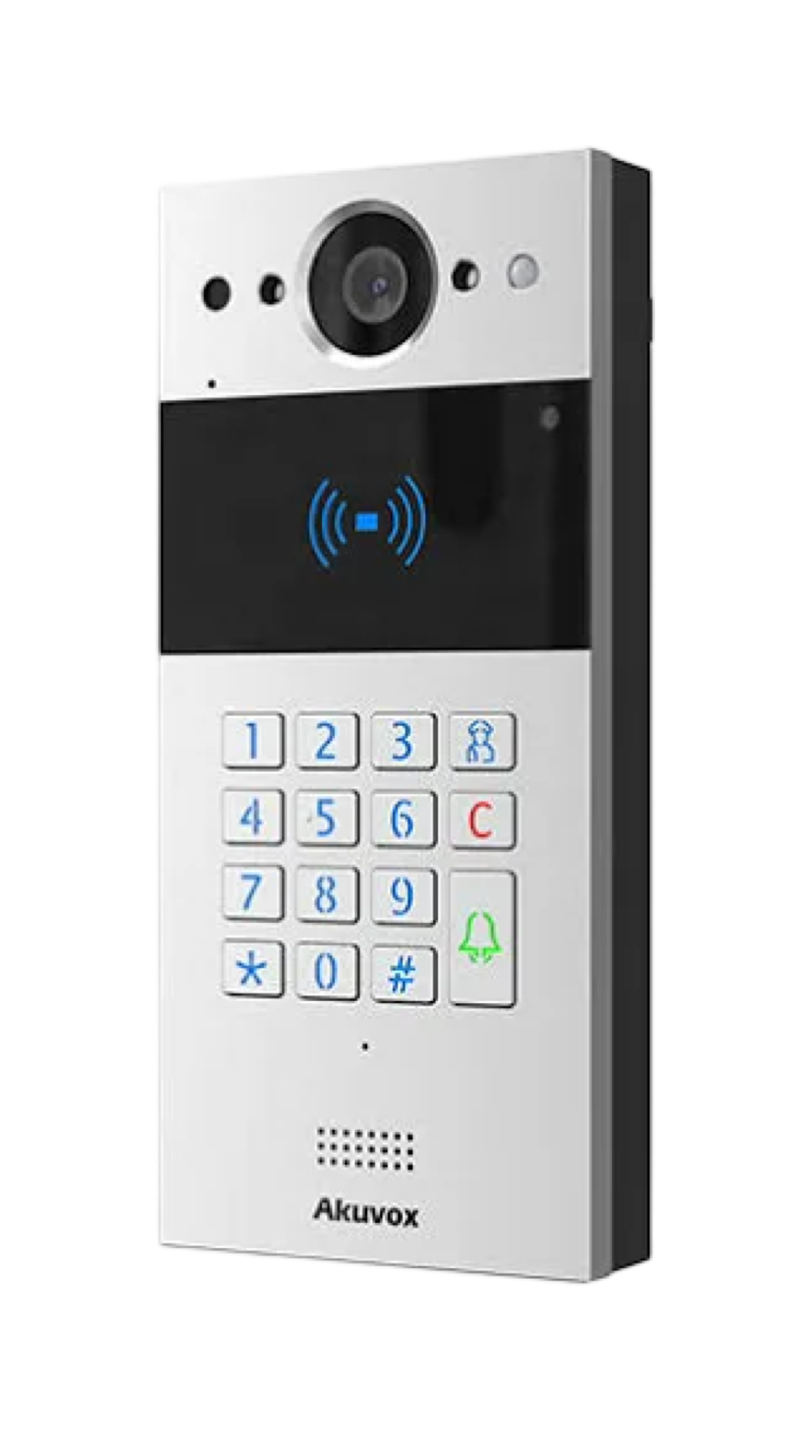
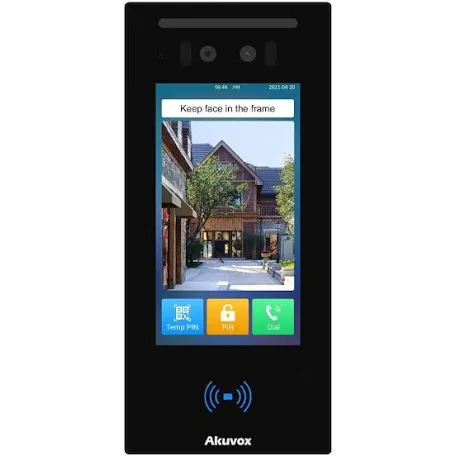
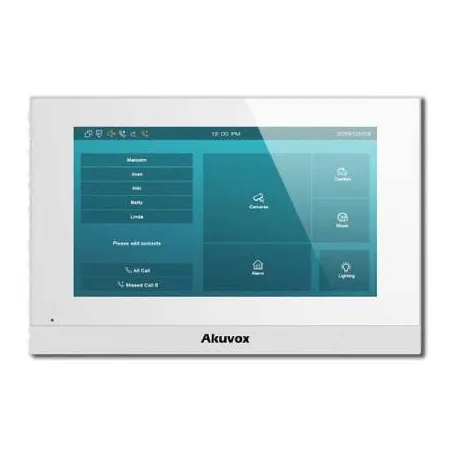
Video intercom with built-in access control. Property-wide credential management for Manhattan apartment buildings.
Wireless electronic locks for hotels, offices, and co-working. SVN architecture eliminates per-door wiring.
IP video door stations with integrated access control. SIP-based for enterprise VoIP integration in Manhattan offices.
Pro-Watch and WIN-PAK enterprise platforms for large-scale Manhattan commercial and institutional installations.
We also install and service Paxton, Kantech, Keri Systems, and GeoVision access control systems for Manhattan properties of all sizes.
Gate access, telephone entry, and barrier control for Manhattan parking garages and gated residential communities.

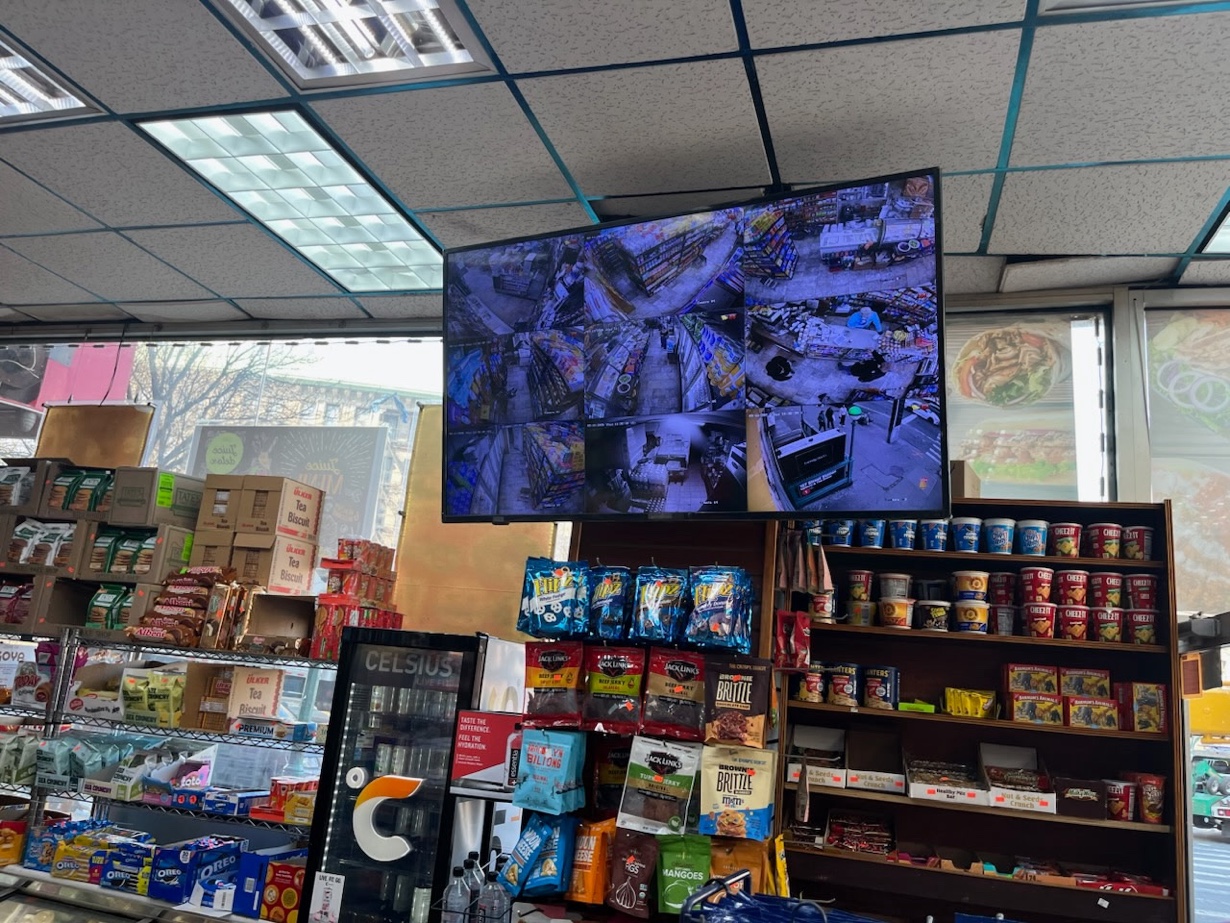
Camera mounted above every access control reader creates a visual record of every entry attempt in your Manhattan building — both successful and denied. When an access event triggers, the nearest camera automatically captures a timestamp image. Video verification is essential for Manhattan co-op boards reviewing unauthorized entry complaints and for commercial landlords documenting after-hours access by tenants and contractors.
Visitor management starts before the door opens. Video intercom stations from Akuvox, Aiphone, and ButterflyMX let Manhattan residents and office staff verify a visitor’s identity before granting access. Integrates with access control so approved visitors receive temporary credentials remotely from any smartphone. Standard configuration for Manhattan co-ops, luxury condos, and corporate lobbies along Park Avenue and in the Financial District.
Access control alarm integration triggers an alert when a Manhattan building door is held open too long, forced open, or accessed outside scheduled hours. Integrates with your existing alarm panel or our installed Honeywell / DSC system. After-hours access attempts dispatch to a central monitoring station or generate push notifications to building management — closing the loop between credential management and intrusion detection for Manhattan commercial and residential properties.

We install access control systems in every Manhattan neighborhood — from the pre-war co-ops of the Upper East Side to the converted lofts of SoHo, from the commercial office towers of Midtown to the brownstone walk-ups of Harlem. Our licensed technicians understand the unique building stock, board requirements, and landmark considerations of each area. Call (347) 934-8335 for service anywhere in Manhattan.
Pre-war co-ops along Park, Madison, and Fifth Avenues. Doorman buildings transitioning to credential-based access. Medical Mile offices requiring HIPAA-compliant entry control. Landmark brownstones needing discreet hardware.
Central Park West co-ops, Broadway corridor apartment buildings, and Columbus Avenue commercial properties. Board-approved installations with alteration agreement documentation for buildings like the San Remo, Majestic, and Beresford.
Commercial office towers along Park Avenue, Lexington, and Third Avenue. Multi-tenant floor restriction systems, visitor credentialing, and loading dock access management. Grand Central and Penn Station area properties with high foot traffic.
Art galleries, co-working spaces, tech startups, and converted warehouse buildings. Cloud-based access control for shared office environments. After-hours gallery access for artists and staff.
Commercial high-rises, luxury condo conversions, and mixed-use buildings. Elevator floor restriction for multi-tenant towers. Parking garage access for residential buildings. Wall Street and Water Street corridor properties.
Historic brownstones, landmark walk-ups, and NYU-adjacent properties. Surface-mount readers and wireless locks that comply with LPC requirements. Courtyard and garden-level entry control for basement apartments.
Cast-iron loft buildings, retail flagships, and commercial art spaces. Access control for shared building entries where retail tenants and residential tenants use the same lobby. After-hours freight elevator access for commercial deliveries.
Walk-up apartment buildings, new construction luxury condos, and mixed-use commercial properties along Avenue A, B, and C. Buzzer-to-access-control upgrades for buildings transitioning from analog intercom systems.
Brownstones, NYCHA-adjacent properties, new construction condos along 125th Street, and commercial corridors on Frederick Douglass and Adam Clayton Powell Boulevards. Affordable access control solutions for landlords upgrading from traditional key entry.
Pre-war elevator buildings along Broadway and Fort Washington Avenue, walk-up apartments, and commercial properties along St. Nicholas Avenue and Dyckman Street. Key fob systems replacing lobby door keys for buildings with 20 to 100+ units.
New construction luxury towers, commercial office space, and the Hudson Yards development. State-of-the-art mobile credential and facial recognition systems for buildings designed with smart infrastructure from the ground up.
Mix of doorman and non-doorman buildings, medical offices along the NYU Langone corridor, and commercial properties. Access control for buildings supplementing or replacing part-time doorman coverage with credential systems.
These are the real questions Manhattan co-op boards, condo associations, property managers, landlords, and commercial tenants are asking on Google, Reddit, and real estate forums. We answer every one.
The most common upgrade path for Manhattan co-ops is a key fob access control system that replaces cylinder locks on lobby doors, service entrances, and common area doors with electric strikes or magnetic locks controlled by encrypted readers. Each shareholder receives a programmed fob that grants access only to authorized doors and floors. When a shareholder sells or a tenant moves out, their credential is deactivated remotely in seconds — no lock changes, no key collection, no locksmith. The building retains a full audit log of every entry. Board approval typically requires an alteration application, which we prepare with engineering drawings, equipment specifications, and proof of insurance. Most Manhattan co-op key-to-fob conversions complete in 2 to 5 days depending on the number of access points.
If your Manhattan building uses 125kHz proximity fobs — the standard technology installed in most buildings before 2018 — those credentials can be cloned in under 10 seconds with a $30 device available on Amazon. This is not theoretical — it is happening daily across Manhattan. Canal Street kiosks openly advertise fob cloning services. The solution is upgrading to 13.56MHz encrypted credentials using DESFire EV3 or HID iCLASS Seos technology. These fobs use rolling encryption that cannot be read or duplicated by consumer devices. We handle the full migration: audit your current credential database, install new multi-technology readers that accept both old and new fobs during the transition period, issue new encrypted credentials to every resident, and deactivate the old 125kHz system once migration is complete. Most Manhattan buildings complete the upgrade in a single weekend.
Elevator access control restricts which floors each credential holder can reach. In a 30-story Manhattan office building, the law firm on floors 12 through 14 gets credentials that access only those floors plus the lobby and parking level. The architecture firm on floor 22 gets a completely separate floor profile. Visitors get temporary credentials limited to their appointment floor and time window. The technical implementation uses relay boards that interface with your existing elevator controller’s dry contact inputs — compatible with Otis, Schindler, KONE, and ThyssenKrupp systems found throughout Manhattan. We install Akuvox EC33 cab-side panels or EC10 controllers depending on your elevator configuration. No modification to the elevator’s safety systems is required.
A single-door card reader installation with electric strike runs $1,500 to $2,500. A 5-door office suite in Midtown with cloud-managed credentials costs $6,000 to $12,000. A full multi-tenant floor with 10+ doors, elevator restriction, and visitor management runs $15,000 to $30,000. Manhattan pricing reflects the complexity of high-rise installations — riser access, conduit routing through concrete, coordination with building management, and after-hours work requirements. All pricing includes hardware, installation, programming, initial credential issuance, and staff training. Manhattan installations carry a surcharge over our Brooklyn base pricing.
Yes. Manhattan has more landmark-designated buildings than any borough — large portions of Greenwich Village, SoHo, Tribeca, the Upper West Side, Harlem, and the Financial District fall within designated historic districts. Landmarks Preservation Commission rules restrict exterior alterations, including drilling into protected facades, installing visible hardware on historic entries, or modifying original door frames. We use surface-mount readers with architectural finishes that blend with existing hardware, wireless electronic lock cylinders that retrofit into original mortise locksets, and concealed magnetic locks mounted on the frame interior. All wiring is routed through existing conduit or interior walls — zero visible cable runs on protected exteriors. We have completed dozens of installations in LPC-regulated buildings without triggering a violation.
Very common in Manhattan. Many co-ops and condos along Central Park West, Park Avenue, and the Upper East Side are adding access control alongside their doorman staff. The fob system handles after-hours entry when the doorman is off duty, controls service entrance access, restricts elevator floor access, and creates an audit trail that the doorman alone cannot provide. Some Manhattan buildings use access control to reduce doorman hours from 24/7 to 16/8, saving $80,000 to $150,000 annually while maintaining security through credential-controlled entry during unstaffed periods. The two systems complement each other — the doorman provides personal service and package management during peak hours while the access control system handles security around the clock.
Mobile credential access turns a resident’s or employee’s smartphone into their building key using Bluetooth Low Energy or NFC. Instead of carrying a fob or card, they hold their phone near the reader — or in some systems, simply walk up and the door unlocks automatically based on proximity. Manhattan luxury condos in Hudson Yards, along Billionaires’ Row, and in Tribeca are increasingly adopting mobile credentials because they eliminate physical credential management entirely. Tenants who lose their phone can be re-credentialed in seconds through the cloud dashboard. The tradeoff: not all residents are comfortable with app-based systems, and smartphone battery death means no entry without a backup method. We recommend mobile credential as the primary system with a physical fob backup for every credentialed user.
Cloud-based access control platforms let Manhattan residents and property managers issue time-limited credentials to service providers. A dog walker gets a credential valid Monday through Friday, 11 AM to 2 PM. A cleaning crew gets access every other Wednesday, 9 AM to 1 PM. A contractor gets a 3-day credential that expires automatically when the job is done. All temporary credentials generate audit log entries — you know exactly when each service provider entered and exited. This replaces the Manhattan apartment building tradition of leaving keys with the doorman or taping lobby doors open during cleaning hours, both of which create serious security gaps.
In most cases, yes. If your Manhattan building has a working intercom — even an older analog system — we can integrate access control alongside it. Visitors buzz through the intercom as usual while residents use their fob, card, or phone for daily entry. For buildings upgrading both systems simultaneously, we install IP-based video intercom stations from Akuvox, Aiphone, or ButterflyMX that combine visitor verification with credential-based entry in a single panel. This is the standard configuration for Manhattan buildings looking to modernize their entire entry system in one project.
Every access control system we install in Manhattan includes fail-safe or fail-secure configuration depending on the door’s function. Egress doors — required by NYC fire code to allow free exit during emergencies — are always configured fail-safe, meaning the lock releases when power is lost. Entry doors to secure areas like server rooms and executive suites are typically configured fail-secure, meaning the door remains locked during a power outage. Battery backup units provide 4 to 8 hours of continued operation during Manhattan power outages. Our installations comply with FDNY egress requirements and NYC Building Code Section 1008.1.4.4 for access-controlled entrance doors.
For single-door installations — adding a keypad to an office door, a card reader to a storage room, or a fob reader to a building lobby — we frequently complete same day access control installation in Manhattan. Multi-door commercial systems typically schedule within 3 to 7 business days. Full building retrofits for co-ops and condos require board approval and building coordination, which we help facilitate. Call (347) 934-8335 to discuss your timeline.
For building-wide installations, yes — virtually every Manhattan co-op requires a board vote and alteration application for common-area modifications. We prepare the complete documentation package: scope of work, equipment specifications with manufacturer cut sheets, installation timeline, engineering drawings showing conduit routing, proof of NYS license (#12000287431), and certificates of insurance naming the co-op corporation as additional insured. For unit-level installations within your own apartment — such as adding a smart lock to your front door — most Manhattan co-ops allow this with a simple written notice to the managing agent. We can advise on your specific building’s requirements.
One of the biggest advantages of access control over traditional keys. When a Manhattan apartment sells or a commercial lease ends, the property manager deactivates the departing tenant’s credentials through the system dashboard — done in seconds, no locksmith visit, no lock change, no key collection. New tenant credentials are programmed and issued during the move-in process. This eliminates the common Manhattan problem of previous tenants retaining copies of keys — a security risk that traditional lock-and-key systems cannot prevent without expensive rekeying after every turnover.
Absolutely. Small Manhattan walk-ups — 6 to 20 units in the East Village, Lower East Side, Harlem, Washington Heights, and similar neighborhoods — are actually the buildings that benefit most from access control. These buildings typically have no doorman, no security camera system, and rely entirely on traditional keys and a buzzer that anyone can ring. A single-door key fob system on the lobby entrance costs $1,500 to $2,500 installed and immediately eliminates the key duplication problem, creates an entry audit log, and gives the landlord remote lock/unlock capability. For a building owner managing 10 to 20 units, the ability to deactivate a credential remotely instead of hiring a locksmith for every tenant turnover pays for the system within 2 to 3 years.

An access control system replaces or supplements traditional locks and keys with electronic credentials — fobs, cards, PINs, smartphones, or biometric data. When a credentialed user presents their credential to a reader mounted at the door, the reader communicates with a control panel that checks the credential against a database of authorized users. If the credential is valid and the user has permission for that door at that time, the panel triggers an electric strike or magnetic lock to release the door. Every transaction is logged with a timestamp, credential ID, and door location. Manhattan buildings use this technology to control lobby entries, service doors, elevator floors, parking garages, rooftop access, storage rooms, and any other access point that needs to be restricted, logged, or remotely managed.
Standalone systems — typically a single keypad or fob reader on one door — store credentials locally on the reader itself. They work well for a single Manhattan office door or storage room. Networked systems connect multiple readers to a central controller or cloud platform, allowing building managers to manage all doors from one dashboard, issue and revoke credentials remotely, and pull consolidated audit reports. For Manhattan co-ops with 3 or more access points, networked systems are almost always the right choice because they eliminate the need to physically visit each reader to make credential changes.
The best system depends on your building type. For Manhattan co-ops and condos with 20 to 200+ units, cloud-managed platforms like Brivo or ButterflyMX provide the credential management scale and remote administration that board members and managing agents need. For commercial offices in Midtown or the Financial District, Openpath or Avigilon Alta offer enterprise-grade visitor management and mobile credentials. For small Manhattan walk-ups and single-office installations, standalone HID readers with encrypted fobs provide reliable security without monthly platform fees. For landmark buildings, SALTO wireless locks retrofit into original hardware without visible modification. We assess every Manhattan building individually and recommend the system that fits your security requirements, building infrastructure, and budget.
Key fob cloning is the single biggest security vulnerability in Manhattan residential buildings. Legacy 125kHz proximity fobs — the type installed in thousands of Manhattan co-ops, condos, and apartment buildings between 2000 and 2018 — transmit an unencrypted ID number that can be read and duplicated by a $30 device in under 10 seconds. Former tenants, unauthorized sublettors, and delivery personnel routinely clone building fobs. The solution is migration to 13.56MHz encrypted credentials — DESFire EV3 or HID iCLASS Seos — which use rolling encryption that consumer devices cannot read. We install multi-technology readers that accept both old and new credentials during the transition, ensuring zero building access disruption during the upgrade. Contact us for a free assessment of your Manhattan building’s fob vulnerability.

Consumer smart locks from August, Yale, and Schlage are designed for single residential doors. They connect over WiFi or Bluetooth to a homeowner’s phone and work fine for a standalone Manhattan apartment front door. But they are not access control systems — they cannot manage credentials for 50 tenants, restrict elevator floor access, generate audit reports for insurance or legal compliance, integrate with a building’s intercom or alarm system, or survive the daily abuse of a Manhattan commercial lobby. Professional access control systems use commercial-grade hardware rated for 500,000+ cycles, enterprise software that manages thousands of credentials across multiple doors and buildings, and encrypted communication protocols that meet FIPS 201 standards. The installation requires low-voltage wiring, door frame modification for electric strikes or magnetic locks, and integration with fire alarm egress requirements under NYC Building Code. This is licensed electrical work — not a DIY project. Abstract Enterprises holds NYS Low-Voltage License #12000287431 and is fully insured for every Manhattan installation.
A 16-unit Manhattan walk-up spent $2,200 on a key fob system for the lobby door. The building previously paid for a part-time evening attendant at $22/hr. The fob system paid for itself in under 3 months.
A Gramercy co-op discovered unauthorized entries traced to cloned 125kHz fobs. We upgraded their entire building to encrypted DESFire credentials in one weekend. Zero cloning incidents since.
A Tribeca condo owner granted their dog walker temporary access from 30,000 feet using the Brivo mobile app. Cloud-based access control means your Manhattan building is managed from anywhere on earth.
A Midtown East law firm replaced traditional locks on 8 office doors with card readers. No more key management, no more locksmith calls, no more “who has a copy of the server room key?” Complete audit trail on every entry.
“Our shareholders voted to upgrade from keys to fobs after a break-in through a duplicated lobby key. The installation was completed over a weekend and every shareholder had their new encrypted fob by Monday morning.”
“Managing 6 commercial floors with different tenants meant juggling hundreds of keys. Cloud-based access control lets me add and remove credentials from my laptop. I can see exactly who entered which floor and when.”
“HIPAA requires physical access controls on areas where patient records are stored. We installed biometric readers on our records room and server closet. Our compliance officer approved the audit trail documentation on the first review.”
Electric strikes replace the strike plate in an existing door frame and work with the building’s current lockset — the door still latches mechanically when closed but releases electronically when a valid credential is presented. Magnetic locks (mag locks) use an electromagnetic plate on the frame and an armature on the door, holding the door shut with 600 to 1,200 pounds of force. Electric strikes are preferred for Manhattan co-op and condo lobby doors because they maintain the building’s existing hardware aesthetic. Mag locks are better for service entrances, server rooms, and commercial doors where maximum hold strength matters. FDNY requires mag locks on egress paths to release on fire alarm activation or power loss.
In most cases, yes. Electric strikes install inside the door frame without modifying the door itself or the existing lockset. Wireless electronic lock cylinders from SALTO and Assa Abloy retrofit directly into original mortise lock bodies — critical for Manhattan pre-war buildings with ornamental brass or bronze hardware that cannot be replaced. We assess your current door hardware during the free on-site evaluation and recommend the least-invasive installation method for your building type.
Pre-war Manhattan buildings present unique low-voltage wiring challenges — thick plaster-and-lath walls, no drop ceilings, and limited existing conduit. We route cables through basement or cellar raceways, up riser closets, and across hallway ceiling molding channels. Where hardwiring is impractical, we use wireless electronic lock systems that communicate via mesh network or WiFi to a central hub — eliminating door-to-panel wiring entirely. Surface-mounted wiremold with architectural paint matching is used as a last resort and only in non-visible areas like stairwells and service corridors.
Anti-passback prevents a single credential from being used to admit multiple people by requiring a credential scan on both entry and exit. If someone scans in but never scans out, the system blocks their next entry attempt until the sequence resets. This stops credential sharing — a tenant handing their fob to a friend to enter behind them — and prevents tailgating in lobbies with turnstiles. Manhattan commercial buildings in Midtown and the Financial District are increasingly requiring anti-passback as a lease condition after the 2025 security incidents.
Yes — with entry and exit readers configured for occupancy counting. The system maintains a real-time headcount by tracking credential scans at all entry and exit points. Manhattan commercial buildings use this for fire code compliance (knowing exactly who is inside during an evacuation), HVAC efficiency (adjusting climate based on occupancy), and security auditing (flagging after-hours presence). Cloud-based platforms display live occupancy dashboards accessible from any device.
Wiegand is the legacy communication protocol between card readers and access control panels — it sends credential data as an unencrypted signal over dedicated wires. OSDP (Open Supervised Device Protocol) is the modern replacement — it encrypts all communication between reader and panel, supports bidirectional data, and enables remote reader firmware updates. For new Manhattan installations, we always recommend OSDP. For existing Wiegand systems, we can upgrade readers to OSDP-capable models while reusing the existing wiring — no new cable pulls required.
Yes. Cloud-based platforms like Brivo, Openpath, and ButterflyMX give managing agents a web dashboard and mobile app to issue credentials, revoke access, unlock doors remotely, pull audit reports, and set time schedules — all from their office or phone. Manhattan managing agents overseeing portfolios of 5, 10, or 50+ buildings can manage every door across every property from a single login. This eliminates the need to physically visit each building for credential changes.
Many insurance carriers offer premium discounts for buildings with credential-based access control and documented audit logs. The discount varies by carrier and building type, but Manhattan co-ops and commercial buildings have reported 5% to 15% reductions after installing access control with central monitoring. The audit trail also strengthens the building’s position in liability claims — if an incident occurs, you have timestamped proof of exactly who was in the building and when. Ask your carrier about their specific discount for electronic access control before or after installation.
Yes. Rooftop access control is common in Manhattan residential and commercial buildings. A card reader or fob reader on the rooftop door restricts access to authorized residents, maintenance personnel, or building management. The reader is specified for outdoor exposure — IP67-rated to handle rain, snow, and temperature swings. Rooftop doors are configured fail-safe per FDNY requirements so they always allow free egress from the roof during emergencies. An alarm can be configured to alert building management when the rooftop door is accessed outside normal hours.
All access control hardware carries a manufacturer warranty — typically 2 to 5 years depending on the brand and component. Our installation labor carries a 1-year parts-only warranty. For ongoing maintenance, we offer annual service agreements that include firmware updates, credential database audits, battery replacement, and hardware inspection. Service callbacks outside the warranty period are billed at $195/hr with a 3-hour minimum.
Yes. Networked and cloud-based systems are designed to scale. Adding a door requires installing a reader, wiring it to the nearest panel (or adding a panel if all ports are occupied), and configuring the new door in the management software. Most Manhattan buildings start with lobby and service entrance doors, then add elevator restriction, parking garage, rooftop, storage rooms, and individual office doors over time as budget allows. We design every initial installation with expansion in mind — panel capacity, cable pathways, and software licensing are all sized for future growth.
Yes. When upgrading a Manhattan building from a legacy system to new hardware, we remove old readers, panels, power supplies, and wiring — and dispose of all equipment properly. We never leave abandoned hardware mounted on walls or old wiring dangling in riser closets. The upgrade includes patching and painting over any mounting holes left by removed equipment. The goal is a clean, professional installation that looks like it was designed for the building from day one.
We install access control systems in every Manhattan neighborhood. Call (347) 934-8335 for service anywhere.
Upper East Side · Upper West Side · Midtown East · Midtown West · Chelsea · Flatiron · Gramercy Park · Murray Hill · Kips Bay · Stuyvesant Town · Hell’s Kitchen · Hudson Yards · SoHo · NoHo · NoMad · Tribeca · Financial District · Battery Park City · West Village · Greenwich Village · East Village · Lower East Side · Chinatown · Little Italy · Two Bridges · Nolita · Meatpacking District · Lincoln Center · Columbus Circle · Carnegie Hill · Yorkville · Lenox Hill · Turtle Bay · Sutton Place · Beekman Place · Tudor City · Roosevelt Island · Harlem · Central Harlem · West Harlem · East Harlem · Spanish Harlem · Sugar Hill · Hamilton Heights · Manhattanville · Morningside Heights · Washington Heights · Fort George · Inwood · Marble Hill
$1,500 – $2,500
Keypad or card reader with electric strike. Ideal for Manhattan office doors, storage rooms, and small building lobbies.
$6,000 – $20,000
3–10 door office suite with cloud management, visitor credentials, and audit logs. Midtown, Financial District, and Hudson Yards offices.
$20,000 – $50,000+
Lobby, service entrance, elevator restriction, parking, and full credential management for Manhattan co-ops, condos, and commercial buildings.
Manhattan tax (8.875%) applies · Jobs under $500 = full upfront · Over $500 = 50% deposit · Service callbacks: $195/hr, 3-hr minimum
4K IP camera installation for Manhattan homes and businesses
Video intercom and key fob entry for Manhattan buildings
Buzzer repair and rewiring for Manhattan apartments
Burglar and intrusion alarm systems for Manhattan properties
Fire alarm installation and code compliance for Manhattan
Cat6, fiber, and network wiring for Manhattan offices
Professional TV mounting for Manhattan homes and businesses
Our full range of access control services includes electronic door lock replacement, door access systems, key fob door entry systems, building access control upgrade, gate access control, commercial access control, restricted entry, perimeter security, remote unlock. We also provide security keypad, proximity card reader, door release mechanisms, door position sensor monitoring, ADA-compliant request to exit buttons, access log documentation, electric strike installation, fire alarm integration, key fob programming — every project handled by NYS-licensed proximity reader and access control technicians from assessment through final programming.

Fill out the form above or call us directly. Free on-site assessment, custom system design, and a detailed quote — no pressure, no obligation.
Abstract Enterprises Security Systems
📍 460 E Fordham Rd, Bronx, NY 10458
NYS License #12000287431 · Licensed & Insured